February Reads + Reviews
I’m a Virgo so I’m too practical for romance and too grounded for fantasy.
I’m an overall harsh critic.
Buckle up.

I think I’m done with mysteries for a bit.
The Mad Wife by Meagan Church
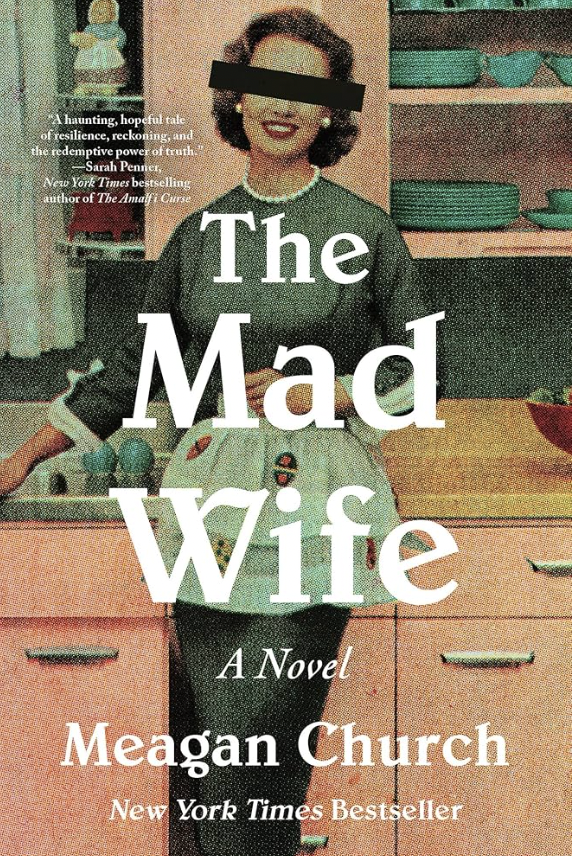
2.5/5
I had high hopes for The Mad Wife, and the opening chapters initially hooked me, especially the dynamic between Henry and Lulu and the mystery surrounding the neighbor, Bitsy. That interest faded as the book went on, though. The constant references to costs via stamp books became irritating, and the large time jump early on felt unnecessary. If so much time was going to be skipped, the story should have started later.
By about a third of the way in, the mystery never felt peculiar or urgent enough to sustain my curiosity, though I did appreciate the author’s thoughtful portrayal of womanhood and the quiet pressures placed on women. An obvious editing issue did not help either, when Bitsy suddenly becomes Betsy. By the final stretch, the novel shifts into a completely different story focused on grief, institutionalization, escape, and family reconciliation. While parts were engaging, the pacing felt overwhelming, and these plotlines would have worked far better as their own novel rather than being crammed into the ending.
The Dutch House by Ann Patchett
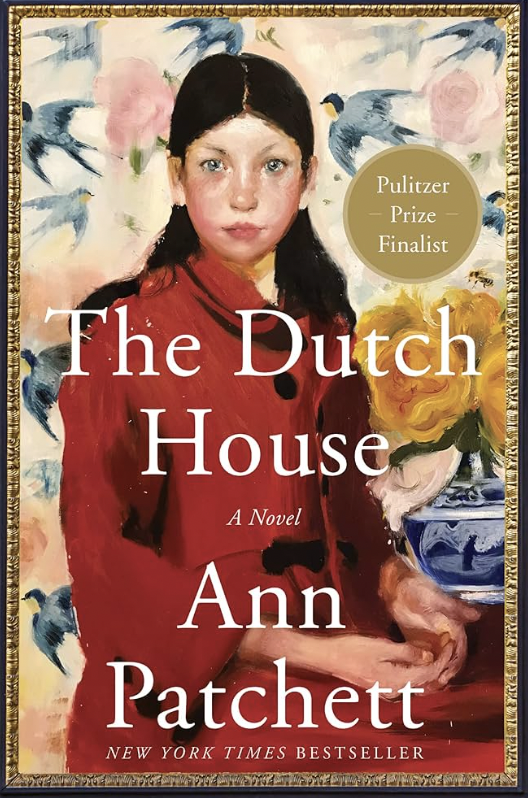
3.5/5
I had no idea what the plot of The Dutch House was going into it except that I’d heard on a podcast that someone quit because it was slow and boring. hmmm, sounds exactly like my type of book. The Dutch House follows siblings Danny and Maeve Conroy, who grow up in a mansion their father buys on impulse, only to be pushed out of it by their stepmother after his death. The novel spans decades as they circle back to the house that raised them, replaying old frustrations and trying to make sense of their childhood. It isn’t intricate or mysterious. It’s slow and simple and that’ why I loved it.
Lately it feels like the buzziest books rely on elaborate plots or shocking twists. This one does not. Nothing explosive happens, but I was SO drawn in, not because it was thrilling, but because the writing was so good I couldn’t stop reading. It’s poignant and relatable: the confusion when a new person enters a parent’s life, the anger when a parent fails, the way children become caretakers, the long shadow of family resentment. It’s a real-life book, quiet, observant, and deeply human. It was beautiful.
The God of the Woods by Liz Moore
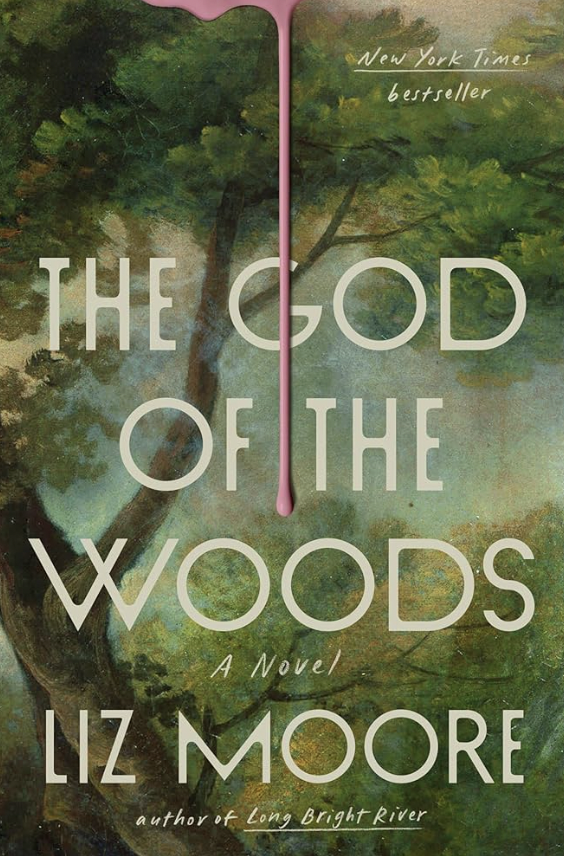
4/5
One of those books I thoroughly enjoyed and also wish I hadn’t read. As a mother, I knew going in that a story centered on a missing child would cost me losing a little sleep and some spikes of anxiety that had me padding down the hallway just to hug my own little son a little tighter. The novel follows the disappearance of young Bear from a wealthy, image-obsessed family whose power runs deep in their small town. As the search unfolds, so does a layered history of greed and legacy, particularly surrounding Bear’s isolated mother, Alice, whose place within the family was always conditional. What begins as a mystery about a missing boy becomes a story about power, control, and the stories families tell to protect themselves.
This is, without exaggeration, the most well written mystery I’ve ever read. Instead of relying on cheap twists or shock value, it builds tension through layered histories, complicated character development, and the uncomfortable truth that morality isn’t clean cut. The suspicion shifts between three possible culprits, which gave me a bit of whiplash near the end tbh. I’m still conflicted about Bear’s story. Who is the true victim? Bear, of course. But also Alice, pushed into isolation, into drinking, into a life where her son was her only steady love, and then denied even the dignity of truth because legacy mattered more than closure. I have minor quibbles about the conclusion, but they feel insignificant next to what the book accomplishes. It is heartwarming, devastating, intentional, meaningful, and somehow it left me oddly at peace.
